How to Set Up the Perfect Feeding Station for Your Cat
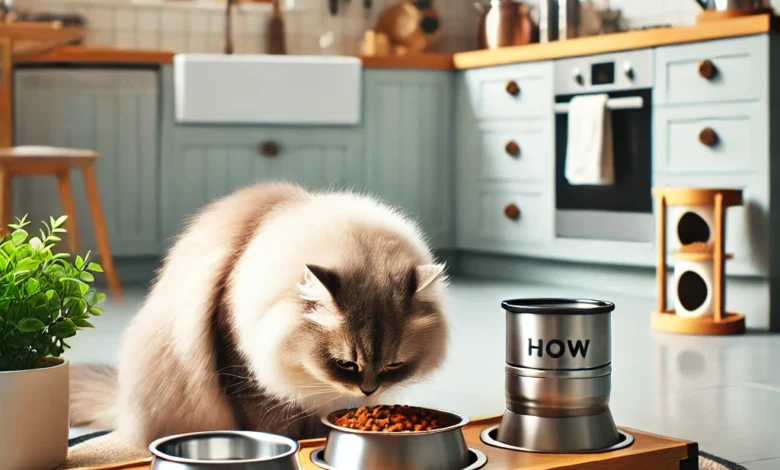
Creating the perfect feeding station for your cat is essential for their overall health and happiness. Cats are creatures of habit, and a well-thought-out feeding area can make mealtime enjoyable and stress-free. From choosing the right bowls to selecting the ideal location, every detail matters. In this guide, we’ll walk you through all the key elements to set up the perfect feeding station for your feline friend.
Why a Proper Feeding Station Matters
A well-organized feeding station is more than just a convenience—it contributes to your cat’s health and well-being. A poor setup can lead to stress, overeating, or even health problems like whisker fatigue or digestive issues. Providing a dedicated, comfortable space ensures your cat feels secure and enjoys mealtime without distractions.
Choosing the Right Location
Quiet and Safe Environment
Cats prefer a peaceful eating environment. A location with minimal noise and foot traffic will help them feel relaxed. Avoid placing the feeding station near household appliances that make loud noises, such as the washing machine or television.
Away from Litter Boxes and Busy Areas
Cats have a strong sense of smell, and placing food near the litter box can be unappealing. Additionally, setting up a feeding station in a high-traffic area can cause anxiety, making your cat reluctant to eat.
Consideration for Multi-Cat Households
If you have multiple cats, it’s best to provide separate feeding stations to prevent food aggression. Some cats may be dominant eaters, causing others to feel stressed or rushed during mealtime. Spacing out feeding areas can create a more harmonious environment.
Selecting the Right Bowls
Material: Ceramic, Stainless Steel, or Glass
Choosing the right bowl is crucial. Ceramic and glass bowls are great options because they are easy to clean and don’t retain odors. Stainless steel is another excellent choice due to its durability and resistance to bacteria.
Size and Depth Considerations
Cats prefer shallow bowls that allow easy access to food without pressing their whiskers against the sides. Deeper bowls may cause discomfort, leading to picky eating behavior.
Avoiding Plastic Bowls
Plastic bowls can harbor bacteria and may cause allergic reactions in some cats. Over time, they develop scratches that trap food particles, making them difficult to clean properly.
Explore feeding station essentials to keep your cat happy at https://furlove365.com/.
Choosing the Best Food and Water Setup
Separate Food and Water Bowls
Cats prefer their food and water to be in separate locations. Placing them too close together can discourage them from drinking enough water, leading to dehydration.
Importance of Fresh Water
Always provide fresh water for your cat. Stagnant or dirty water may cause your cat to avoid drinking, increasing the risk of kidney issues.
Benefits of a Water Fountain
Many cats prefer running water, as it mimics natural sources and stays fresh. A pet water fountain encourages hydration and keeps water clean throughout the day.
Considering Your Cat’s Eating Preferences
Elevated Bowls for Senior Cats
Older cats or those with joint issues benefit from elevated bowls, which reduce strain on their neck and spine.
Slow Feeders for Fast Eaters
If your cat eats too quickly, consider using a slow feeder. These bowls have built-in ridges or obstacles that encourage slower eating, reducing the risk of bloating or vomiting.
Placing Multiple Feeding Stations in Larger Homes
In a multi-room home, placing feeding stations in different areas allows cats to eat comfortably without feeling the need to compete for food.
Keeping the Feeding Area Clean
How Often to Clean Food and Water Bowls
Daily washing of food and water bowls prevents bacteria buildup and keeps food fresh.
Tips for Keeping the Feeding Area Tidy
Using a feeding mat can catch spills and make cleanup easier. Choosing an area with a hard floor rather than carpet also helps with maintenance.
Best Practices for Food Storage
Dry food should be kept in airtight containers to maintain freshness, while wet food should be stored properly in the refrigerator once opened.
Creating a Comfortable Atmosphere
Using a Feeding Mat
A feeding mat helps keep food and water spills contained, making it easier to clean up after meals.
Positioning to Reduce Whisker Stress
Cats experience whisker fatigue when their whiskers touch the sides of deep bowls. Using shallow, wide bowls minimizes this discomfort.
Ensuring a Stress-Free Mealtime
Avoid disturbances during meal times, such as loud noises or other pets hovering near the feeding area.
Feeding Schedules and Routines
Free-Feeding vs. Scheduled Meals
While free-feeding allows constant access to dry food, scheduled meals help monitor portion sizes and maintain a healthy weight.
How Often to Feed Your Cat
Adult cats typically eat two meals a day, while kittens require more frequent feedings.
Adjusting Meal Plans for Different Life Stages
A kitten’s diet is different from an adult cat’s. Adjust food type and quantity based on age and health needs.
Conclusion
Setting up the perfect feeding station for your cat requires thoughtful planning, but it’s worth the effort. A well-designed feeding area provides comfort, encourages healthy eating habits, and makes mealtime enjoyable. By considering your cat’s unique needs, you can create an ideal environment that supports their well-being for years to come.