Backpacking Essentials: The Only Packing List You’ll Ever Need
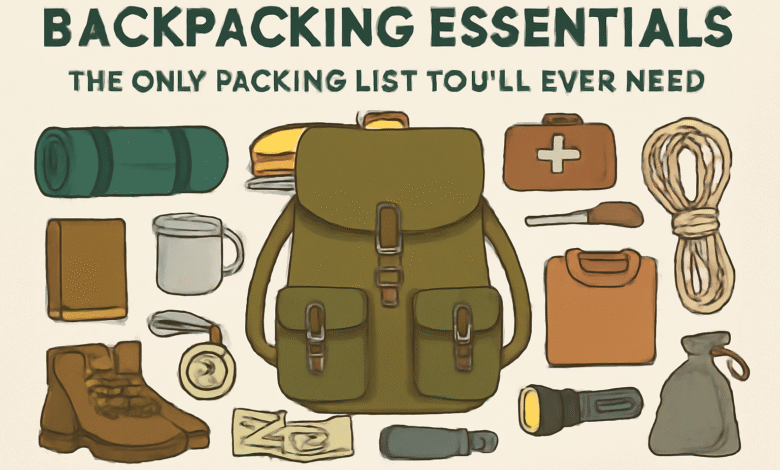
Backpacking offers a perfect mix of adventure, escape, and connection to nature. Whether you’re trekking through a forest, hiking up mountains, or camping in remote areas, there’s nothing quite like the thrill of being on the move, surrounded by nothing but the natural world. However, to truly enjoy your experience, it’s crucial to pack the right essentials. Without the proper gear, your trip could quickly turn from a dream adventure into an uncomfortable ordeal.
The key to a successful backpacking trip is ensuring that you have all the right items, without overpacking. Packing light is essential for comfort, while having the necessary tools and equipment will help you handle any situation. In this guide, we’ll outline everything you need to pack for a smooth and enjoyable backpacking trip—this is the only packing list you’ll ever need.
1. Backpack: Your Trusty Companion
The first and most important item on your packing list is, of course, your backpack. The backpack serves as your lifeline for the entire trip, so choosing the right one is essential. Look for a backpack that fits comfortably and is designed for your trip’s duration. For multi-day trips, opt for a larger pack (40-70L capacity), while shorter trips might require something smaller (20-30L). Make sure the pack has adjustable straps, multiple compartments, and is made from durable materials.
Remember that comfort is key, as you’ll be carrying your pack for hours or even days. Make sure it has proper padding and a breathable back panel to avoid sweaty discomfort. Before you head out, ensure that the weight is evenly distributed to avoid strain on your back and shoulders.
2. Shelter: Staying Safe and Dry
A tent is a must-have when backpacking in remote areas, and it serves as your protection from the elements. Lightweight and easy-to-pitch tents are popular options for backpackers, as they’re portable and compact while still offering enough space for you to sleep comfortably.
Look for a tent that’s waterproof, durable, and appropriate for the conditions you’ll be facing—whether that’s a three-season tent for a variety of weather conditions or a four-season tent for harsher climates. If you’re going for an ultralight approach, you might want to consider a bivy sack or a hammock with a rain fly for minimal weight.
3. Sleeping System: Comfort for a Good Night’s Rest
After a long day on the trail, a good night’s sleep is essential to recharge for the next day of adventure. Your sleeping system includes the sleeping bag, sleeping pad, and pillow, all of which play vital roles in providing comfort, warmth, and insulation.
Your sleeping bag should match the conditions you’ll encounter. For warm climates, a lightweight sleeping bag will suffice, while in colder regions, you’ll need a bag rated for freezing temperatures. Make sure to choose a sleeping pad that provides adequate cushioning and insulation. Inflatable pads are lightweight and pack down small, while foam pads are durable and more affordable.
For ultimate comfort, consider a small inflatable pillow, or simply use a stuff sack filled with clothes as a makeshift pillow.
If you’re wondering what items truly matter for a successful backpacking trip, these backpacking essentials should be at the top of your list. Your shelter and sleeping system will ensure that you’re well-rested and protected throughout your journey.
4. Clothing: Dress for Success
Packing the right clothing is key to staying comfortable and safe on your trip. The general rule for backpacking clothing is the layering system. Layering helps you regulate your body temperature, ensuring that you stay warm when it’s chilly and cool when it gets hot.
- Base Layer: Your base layer should be moisture-wicking, meaning it pulls sweat away from your body and keeps you dry. Avoid cotton as it holds onto moisture and can make you cold.
- Middle Layer: This layer provides insulation. Fleece jackets or down sweaters are popular choices. If the weather’s warmer, a simple long-sleeve shirt might suffice.
- Outer Layer: The outer layer protects you from the wind, rain, and snow. A waterproof and breathable jacket is ideal for wet conditions, while a windbreaker is great for light protection.
- Extra Accessories: Don’t forget a hat for sun protection, gloves for chilly mornings, and a scarf or buff for added warmth.
You’ll also want to pack a pair of hiking boots that are broken in and supportive. Comfortable shoes are crucial as blisters and discomfort can quickly ruin a trip. If you’re heading into warm climates, a pair of sandals for camp are great for letting your feet breathe.
5. Food and Water: Fuel for the Journey
One of the most important considerations on your packing list is ensuring you have enough food and water to stay energized throughout your hike. When it comes to food, lightweight, compact options like freeze-dried meals, energy bars, and nuts are perfect for backpacking.
You can carry food for a few days if you plan on staying in one place, but if you’re on a longer hike, make sure you plan your meals around what you can pack efficiently without weighing yourself down. Consider lightweight stoves for cooking, especially if you plan to cook meals instead of eating pre-packaged food. Small gas canisters or solid fuel stoves are convenient and easy to pack.
Water is essential for staying hydrated. Always carry a water bottle or hydration reservoir, and be sure to have a way to purify water if you’re drinking from natural sources. A portable water filter or water purification tablets are both reliable options for ensuring that your water is safe to drink.
6. Navigation Tools: Finding Your Way
Navigation tools are essential, especially when you’re venturing into unfamiliar terrain. A map and compass should always be part of your gear, and it’s good practice to know how to use them before heading out.
For more advanced navigation, a GPS device can be incredibly useful, especially if you’re hiking in remote areas. Many smartphones come with offline maps or GPS apps, but it’s best not to rely solely on your phone as it can run out of battery or lose signal.
Additionally, a trail guide or handbook can provide helpful tips and information about the route, terrain, and potential hazards. Whether you’re navigating on foot or by map and compass, ensuring you have reliable tools will help you stay on track and avoid getting lost.
7. First Aid Kit: Be Prepared for Anything
Accidents can happen anywhere, and it’s essential to be prepared. A well-stocked first aid kit is one of the most important items you can carry. The basics include bandages, antiseptic wipes, adhesive tape, pain relief medication, and any prescription medications you might need.
If you’re hiking in areas where insect bites or ticks are common, include bug repellent and tick removal tools. It’s also a good idea to pack items for treating blisters, such as blister pads or moleskin, as well as tools for treating cuts or scrapes.
Having the ability to address any minor injuries on the trail ensures that you won’t have to cut your trip short due to an untreated wound or discomfort.
8. Lighting: Stay Safe After Dark
Headlamps or flashlights are critical for your safety when hiking in low-light conditions. A headlamp is often preferred for backpacking because it leaves your hands free to do other tasks, like cooking, setting up your tent, or checking your map.
Make sure your headlamp or flashlight is lightweight, waterproof, and has long battery life. You’ll also want to carry extra batteries, as you never know when your light source might run out of power.
9. Fire Starting Tools: Warmth and Safety
Knowing how to start a fire can make a huge difference, especially in cold or wet conditions. It can keep you warm, help you cook meals, and provide a sense of security if you’re in a remote area.
Bring a reliable fire-starting tool, such as waterproof matches, a lighter, or a firestarter. Additionally, carry tinder or small kindling to help you ignite your fire quickly. Practicing fire-starting before your trip can ensure you’re prepared in case of an emergency.
10. Multi-tool: A Handy Companion
A multi-tool is one of those items that you never realize you need until you do. This compact, all-in-one device can come in handy for many situations: cutting rope, fixing gear, preparing food, or even as a mini screwdriver.
Make sure the tool you choose includes the essentials for your trip, such as a knife, pliers, and scissors. A compact, lightweight multi-tool will easily fit into your backpack and can prove invaluable in a wide range of situations.
Conclusion: Ready for Adventure
Packing for a backpacking trip doesn’t have to be stressful or overwhelming. By focusing on the backpacking essentials and packing only what you truly need, you can ensure that your trip is comfortable, enjoyable, and safe. Remember to always double-check your gear, practice using new equipment before your trip, and plan accordingly based on the conditions you’ll face.
With the right preparation, you’re ready to hit the trails and immerse yourself in nature. For all the backpacking essentials you need, check out https://www.outdoortechlab.com/backpacking-big-3/.