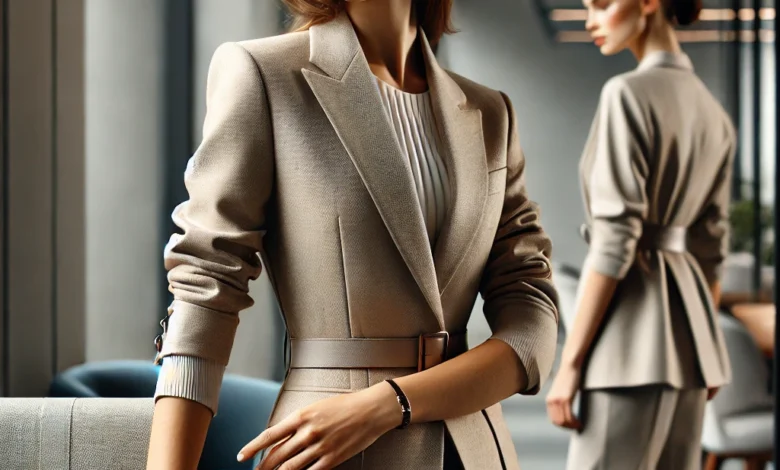
Introduction
Smart casual is more than just a dress code—it’s a lifestyle that effortlessly balances comfort and style. Whether you’re heading to the office, a weekend brunch, or a night out with friends, mastering the art of smart casual can elevate your overall look without feeling too formal. In recent years, this blend of relaxed and sophisticated attire has gained popularity, especially for those who want to look polished yet approachable. And at the heart of the smart casual wardrobe is one essential piece: the jacket.
The right smart casual jacket is a game-changer. It’s the one item that can tie your entire outfit together, making even the simplest ensemble look intentional and refined. Whether you’re wearing jeans or chinos, a well-chosen jacket has the power to transform your look from “just okay” to “put-together.” But with so many options available, choosing the perfect smart casual jacket can feel overwhelming. That’s where this guide comes in.
In this blog, we’ll break down everything you need to know about selecting the perfect jacket for your smart casual wardrobe. From understanding different jacket styles and materials to learning how to pair them with the right outfit, this guide will help you confidently master the smart casual look. Whether you’re new to this dress code or looking to refine your existing style, choosing the right jacket is key to achieving that effortlessly sharp, smart casual vibe. So, let’s dive in and explore how you can level up your wardrobe with the perfect jacket.
What is Smart Casual?
Smart casual is often viewed as the perfect middle ground between formal and relaxed dressing. It’s the type of attire that allows you to look stylish without appearing overdressed, but it also steers you clear of looking too casual or laid-back. The beauty of the smart casual dress code lies in its versatility, as it offers the freedom to mix and match pieces in ways that create a balanced, polished look. But what exactly does smart casual mean, and how does a jacket fit into this style equation?
Defining Smart Casual
The smart casual dress code is tricky to define because it leaves room for interpretation. Unlike business formal or business casual, which have more specific guidelines, smart casual blends elements from both ends of the spectrum. Think of it as a mix between casual wear and business attire, taking the best elements from each and fusing them into a modern, approachable look.
At its core, smart casual is all about maintaining a polished appearance without going overboard. It’s the perfect balance between looking sharp and feeling comfortable. This means you can pair classic, structured items like blazers or smart jackets with more relaxed pieces, such as chinos, well-fitted jeans, or tailored trousers. The key is to strike a balance that exudes professionalism but still looks effortless and comfortable.
For instance, a pair of dark denim jeans, a crisp white shirt, and a sharp blazer can instantly transform your outfit into a smart casual look. The addition of a jacket creates structure and elevates the ensemble without making it feel too formal or rigid. This blending of styles is what makes smart casual so versatile, allowing it to work in various settings—from the office to social gatherings.
The Role of the Jacket in Smart Casual Fashion
A jacket is an indispensable part of any smart casual outfit. Why? Because it’s often the piece that pulls the whole look together. Without a jacket, you might be veering too far into casual territory, but with the right one, you can instantly elevate your appearance. Jackets not only add sophistication to your overall look, but they also offer an opportunity to showcase your personal style.
In a smart casual context, jackets provide the structure that anchors an outfit, giving it a polished, put-together feel. They also offer flexibility: you can easily take them off if the occasion calls for a more laid-back vibe, or you can leave them on to maintain a sharp appearance. The great thing about smart casual jackets is that they come in various styles, fabrics, and colors, allowing you to adapt them to different occasions and environments.
The right jacket should complement your outfit, whether you’re pairing it with a button-down shirt and trousers or throwing it over a lightweight sweater with jeans. What’s important is choosing a jacket that fits well and strikes the right balance between formal and casual. For example, while a suit jacket might be too formal for a casual setting, a blazer or sport coat is the perfect middle ground. These types of jackets add just enough structure to make an outfit look intentional without going overboard.
Why Jackets Are Key in Smart Casual
When it comes to smart casual, the jacket isn’t just an accessory—it’s the focal point. Here’s why:
- Adds Structure: A smart casual jacket, whether it’s a blazer or a sport coat, provides structure and shape to your overall appearance. It sharpens your silhouette, making you look more put-together. The added formality of a jacket balances out more casual elements, like jeans or chinos.
- Versatility: A smart casual jacket offers incredible versatility. You can dress it up with a tie and a crisp shirt for more formal settings, or dress it down with a t-shirt or polo for a laid-back yet polished look. With the right jacket, you can adapt to almost any setting, from the office to a weekend event.
- Elevates Simpler Pieces: Even the most basic items in your wardrobe—like a plain white t-shirt or simple dark jeans—can be transformed into something polished when paired with a smart jacket. It adds an air of sophistication and intention, making the entire outfit look more thought-out and complete.
- Seasonal Adaptability: Smart casual jackets come in a variety of materials, allowing you to adapt your wardrobe to different seasons. In the warmer months, lightweight jackets made from linen or cotton provide a crisp, cool aesthetic. In colder months, wool or tweed jackets offer warmth and texture while maintaining a sharp look.
- Personal Expression: A jacket allows for subtle yet impactful personal expression. Through the choice of fabric, color, and fit, you can convey your individual style while sticking to the smart casual dress code. Whether you prefer classic solid colors or enjoy experimenting with textures and patterns, the jacket is where your creativity can shine.
How to Incorporate a Jacket into Your Smart Casual Look
To make the most of a jacket in your smart casual wardrobe, consider the following tips:
- Start with Neutral Colors: If you’re new to smart casual, begin with jackets in classic, versatile colors like navy, grey, or beige. These shades are easy to pair with other items in your wardrobe, giving you more flexibility when creating outfits.
- Focus on Fit: The fit of the jacket is crucial. Look for a jacket that sits well on your shoulders, with sleeves that end just above your wrist bone. A well-fitted jacket instantly elevates your look and gives you a tailored appearance.
- Play with Textures and Patterns: Once you’ve mastered the basics, experiment with different textures and patterns. Tweed, houndstooth, or subtle checks can add depth and interest to your look without overwhelming it.
- Pairing with Casual Items: Don’t be afraid to pair a smart casual jacket with more relaxed items like chinos, jeans, or even sneakers. The key is in how you balance the outfit, ensuring that your jacket provides enough structure to keep the look polished.
Incorporating a jacket into your smart casual style is a surefire way to elevate your wardrobe and bring versatility to your daily outfits. With the right choice, you’ll feel confident and ready to take on any occasion, all while looking effortlessly sharp. To buy smart casual jacket, visit https://chichotclub.com/
How to Choose the Perfect Smart Casual Jacket
When it comes to mastering the smart casual look, choosing the perfect jacket is key. The right jacket can take your outfit from plain to polished in an instant, making it the centerpiece of your smart casual wardrobe. But with so many options available, it can be overwhelming to figure out what jacket will work best for you. In this section, we’ll break down the key factors to consider when choosing the perfect smart casual jacket, from styles and fabrics to colors and fit.
Understanding the Different Jacket Styles
There are several types of jackets that can fit into a smart casual wardrobe, each with its own unique qualities. The most popular styles include blazers, sport coats, and casual jackets. Let’s explore the differences:
- Blazers: Blazers are perhaps the most common choice for smart casual attire. They tend to have a structured, formal look but can easily be dressed down with more casual pieces. Traditionally, blazers come in solid colors like navy or grey and are often made of wool or cotton blends. A blazer is ideal for office settings or when you want to maintain a refined, professional appearance without looking too stiff.
- Sport Coats: Sport coats are slightly less formal than blazers and often come in more textured fabrics, like tweed or corduroy. They may feature patterns such as herringbone or checks, making them a great choice for adding personality to your outfit. Sport coats are more versatile than blazers and can be worn with jeans or chinos for a laid-back, yet smart look. They work particularly well in social or casual settings where you want to look sharp but not too business-like.
- Casual Jackets: Casual jackets, like bomber jackets or Harrington jackets, can also fit into a smart casual wardrobe, provided they are well-tailored and paired thoughtfully with other polished items. A sleek, minimalistic bomber jacket, for example, can be paired with a collared shirt and trousers to create a fresh, modern take on smart casual. These jackets offer a more relaxed aesthetic while still maintaining a sense of style.
Fabric Matters: Choosing the Right Material
The fabric of your jacket plays a significant role in determining its formality, comfort, and suitability for different occasions. Each material offers a different look and feel, so it’s important to consider the season, the setting, and your personal style when selecting a fabric.
- Wool: Wool is a classic choice for smart casual jackets, especially blazers and sport coats. It’s warm, durable, and has a natural drape that flatters most body types. Wool jackets are perfect for cooler months and can be dressed up or down depending on what you pair them with. A wool blazer, for instance, can be worn with dress pants for a more formal look or with chinos for a relaxed, yet professional appearance.
- Cotton: Cotton jackets are lightweight and breathable, making them ideal for warmer weather. Cotton blazers or casual jackets offer a more relaxed look while still maintaining a sense of structure. They’re versatile enough to be worn with anything from a t-shirt and jeans to a collared shirt and slacks. Cotton is an excellent choice if you’re aiming for a balance between comfort and style.
- Linen: Linen is the go-to fabric for smart casual jackets in the summer months. It’s lightweight, breathable, and perfect for hot weather, but it can wrinkle easily, giving it a more casual feel. Linen jackets are great for casual outdoor events or relaxed social gatherings. Pair a linen jacket with lightweight trousers and loafers to nail the smart casual look during the warmer months.
- Tweed: Tweed jackets are thick, textured, and often associated with a more rugged or academic look. While tweed sport coats can feel more casual due to their texture, they’re a great choice for autumn and winter. Tweed adds character to your outfit and pairs well with items like denim or corduroy for a smart yet casual ensemble.
Color and Pattern Selection
Choosing the right color for your jacket is just as important as selecting the right style and fabric. In smart casual attire, neutral colors tend to work best, as they are versatile and easy to mix and match with other pieces in your wardrobe. Here’s a breakdown of the most common colors for smart casual jackets:
- Navy: A navy jacket is a wardrobe staple. It’s timeless, versatile, and works well in almost any setting. Whether you’re wearing it to the office or out to dinner, a navy blazer or sport coat pairs beautifully with a range of colors, from white and light blue shirts to khaki or grey trousers.
- Grey: Grey jackets offer a more modern and minimalistic aesthetic. Lighter shades of grey can be great for spring and summer, while darker greys are perfect for autumn and winter. A grey blazer or sport coat is incredibly versatile and can be worn with both casual and formal items, making it a smart investment.
- Beige: Beige jackets are ideal for spring and summer, offering a fresh and light look that works well with both dark and light clothing. A beige jacket paired with navy or light grey trousers gives off a relaxed yet refined vibe.
- Subtle Patterns: Once you’ve covered the basics, you can start experimenting with patterns. A jacket with a subtle check or houndstooth pattern can add depth and interest to your outfit without overwhelming it. Patterns work especially well with sport coats, allowing you to add personality to your smart casual look.
Fit is King: How to Get the Perfect Fit
No matter how stylish the jacket is, if it doesn’t fit you properly, it won’t look good. Fit is arguably the most important aspect of choosing the perfect smart casual jacket. Here’s how to ensure your jacket fits like a glove:
- Shoulders: The shoulder seams of the jacket should align with the natural edge of your shoulders. If the seams extend past your shoulders, the jacket will look too big and unflattering. If they’re too tight, the jacket will feel restrictive and uncomfortable.
- Sleeves: The sleeves should end just above your wrist bone, allowing about half an inch of your shirt cuff to show when your arms are at your sides. Sleeves that are too long can make the jacket appear oversized, while sleeves that are too short can throw off the proportions of the whole outfit.
- Length: A well-fitting jacket should cover your waist and the top of your hips. If it’s too long, it can make you look shorter, and if it’s too short, it can look disproportionate.
- Chest and Waist: The jacket should button comfortably without pulling across your chest or waist. If there’s a lot of pulling or gapping, the fit is too tight. However, if it feels too loose and baggy, consider tailoring the jacket for a more streamlined appearance.
By focusing on the right style, fabric, color, and fit, you can easily choose a jacket that not only complements your smart casual wardrobe but also enhances your overall look. With these tips, you’ll be well on your way to mastering the art of smart casual and looking effortlessly stylish.
Pairing Your Jacket with Smart Casual Outfits
Now that you’ve got a grasp on the different jacket styles, fabrics, and how to find the right fit, the next step is learning how to pair your smart casual jacket with the rest of your wardrobe. A jacket is a powerful centerpiece, but it needs to be complemented with other pieces to achieve that polished yet relaxed smart casual look. This section will guide you through the art of pairing your jacket with shirts, trousers, and shoes to create a cohesive and stylish outfit.
The Smart Casual Shirt: What to Wear Underneath
What you wear underneath your jacket is just as important as the jacket itself. The shirt sets the tone for your entire outfit and plays a crucial role in achieving the right balance between casual and smart.
- Button-Down Shirts: The most reliable option for a smart casual look is a classic button-down shirt. Whether it’s a crisp white, light blue, or even a subtle checkered or striped pattern, button-down shirts work beautifully under most smart casual jackets. The clean lines of a well-pressed shirt create a sharp, professional look that balances perfectly with a jacket. Button-down shirts in soft cotton or oxford cloth are excellent choices, as they provide a relaxed feel while maintaining structure.
- Polo Shirts: If you’re aiming for a more relaxed yet still polished appearance, polo shirts are a great option. They add a sporty touch without looking too informal and pair effortlessly with both blazers and casual jackets. Choose a fitted polo shirt in a solid color or subtle pattern to avoid clashing with the jacket’s texture or design. The key is to ensure the polo shirt is well-fitted and neatly tucked in for a cleaner look.
- T-Shirts: For a more modern and laid-back smart casual look, you can opt for a simple, high-quality t-shirt underneath your jacket. A plain white, black, or navy t-shirt can offer a fresh, minimalist aesthetic, especially when paired with a well-fitted blazer or sport coat. While t-shirts lean more on the casual side, the jacket elevates the overall outfit, keeping it in the smart casual category. However, avoid graphic tees or overly relaxed styles, as they can make the outfit too casual.
- Sweaters: During colder months, lightweight sweaters or knitwear can be a stylish alternative to shirts. A thin merino wool sweater or a fine-knit crew neck layered under a jacket adds warmth and texture without compromising the polished look. Stick to neutral tones like grey, navy, or beige for versatility, and avoid bulky knits that can disrupt the clean lines of your jacket.
Trousers and Jeans: The Perfect Bottoms for Smart Casual
The type of trousers or jeans you pair with your jacket can dramatically influence the overall feel of your smart casual outfit. The goal is to strike a balance where the outfit looks intentional and cohesive without being too formal or too laid-back.
- Chinos: Chinos are a classic go-to for smart casual attire. They offer the perfect middle ground between dress trousers and jeans, making them incredibly versatile. Chinos come in a variety of colors, but sticking to neutral tones like beige, navy, or olive ensures you have a solid foundation to pair with your jacket. Chinos are ideal for both office environments and social events, offering comfort and style in equal measure.
- Trousers: If you’re aiming for a slightly more formal look within the smart casual realm, tailored trousers are an excellent choice. Wool or cotton trousers provide a sharp, polished appearance that works beautifully with blazers or sport coats. Opt for slim or straight-leg cuts to maintain a modern silhouette. Dark colors such as charcoal, grey, or navy are versatile and pair well with a variety of jacket styles and colors.
- Jeans: Yes, jeans can absolutely be part of a smart casual outfit—when done right. The key is to choose dark, well-fitted jeans with a clean finish. Dark indigo or black jeans work best, as they offer a more polished appearance compared to lighter washes or distressed styles. When paired with a structured blazer or sport coat, jeans can strike the perfect balance between casual and refined. Avoid overly casual styles like ripped or faded jeans, which can make the outfit too relaxed for smart casual settings.
- Dress Shorts (for Summer): In warm weather, tailored dress shorts can be paired with a smart casual jacket for an effortlessly cool look. This combination works best for outdoor social events or summer parties. Choose shorts in neutral colors like navy or beige, and ensure they are fitted and end just above the knee for a sophisticated appearance. Pair them with a light linen or cotton jacket to maintain a smart casual vibe.
Shoes: Completing the Smart Casual Look
The right pair of shoes can either make or break a smart casual outfit. Since smart casual attire blends formal and casual elements, you’ll need shoes that do the same. Here are some shoe options that perfectly complement a smart casual jacket:
- Loafers: Loafers are the quintessential smart casual shoe. They provide a sophisticated look while remaining comfortable and versatile. Whether you choose leather or suede loafers, they pair effortlessly with chinos, jeans, or trousers. Loafers are particularly great for summer months, offering a breathable, stylish option that works for both formal and informal settings.
- Brogues and Oxfords: For a more traditional and polished smart casual look, brogues or Oxfords are a solid choice. They bring a touch of formality to your outfit without being too stiff, especially when paired with jeans or chinos. Opt for classic colors like brown, tan, or black, depending on the color palette of your outfit.
- Chelsea Boots: Chelsea boots add a sleek, modern edge to smart casual attire. These ankle-high boots are versatile enough to be worn with jeans, chinos, or trousers, and they give your outfit a stylish, slightly rebellious flair. Choose leather or suede in neutral tones to keep the look refined.
- Clean Sneakers: In recent years, clean, minimalist sneakers have become a staple in smart casual fashion. White leather sneakers, in particular, pair well with casual jackets and chinos or jeans for a fresh, contemporary look. The key is to choose simple, unbranded sneakers that have a polished appearance—avoid overly sporty styles or loud colors, as they can disrupt the smart casual aesthetic.
- Desert Boots: For a relaxed, yet stylish look, desert boots made from suede or leather are a great option. They pair especially well with chinos or jeans and offer a comfortable, laid-back feel while maintaining the smart casual vibe.
Accessories to Tie It All Together
No smart casual outfit is complete without the right accessories. While you don’t want to go overboard, adding a few well-chosen accessories can enhance your look:
- Belts: A classic leather belt in brown or black adds a touch of refinement to your outfit and helps tie everything together. Make sure the belt complements the color of your shoes for a cohesive look.
- Watches: A sleek watch can elevate any smart casual outfit. Choose a watch with a simple, elegant design, such as a leather strap or a minimalist metal band. It’s a subtle detail that adds sophistication.
- Pocket Squares: If you’re wearing a blazer or sport coat, a pocket square can add a dash of personality to your outfit. Stick to simple, subtle patterns or solid colors for a smart casual setting.
By thoughtfully pairing your jacket with shirts, trousers, shoes, and accessories, you can create a well-balanced and stylish smart casual outfit. The key is to mix formal and casual elements in a way that feels polished yet comfortable, allowing you to look sharp in any setting.
Occasions for Wearing Smart Casual Jackets
One of the greatest advantages of a smart casual jacket is its versatility. Whether you’re attending an office meeting, enjoying a weekend social gathering, or traveling for business, the right jacket can make all the difference in your outfit. Understanding how to adapt your smart casual jacket to different occasions is key to mastering this style. In this section, we’ll explore the variety of settings where a smart casual jacket shines and how to dress for each occasion.
Office-Friendly Smart Casual Jackets
The workplace is one of the most common settings where the smart casual dress code is embraced. In many modern offices, especially those with more relaxed dress codes, the days of wearing a full suit and tie are long gone. But while full business attire may not be necessary, looking professional and presentable still matters. This is where the smart casual jacket comes in.
- Blazers for the Office: A well-fitted blazer is a staple for office wear. It offers the structure and professionalism of a suit jacket without the formality. Pairing a classic navy or grey blazer with a button-down shirt and chinos creates a sharp look that’s perfect for the office. If you’re in a more relaxed work environment, you can even pair a blazer with dark jeans and a smart shirt for a laid-back, professional look. The key here is balance: the jacket adds enough sophistication to make the outfit office-appropriate while maintaining comfort.
- Subtle Patterns and Textures: In the office, you can experiment with subtle patterns or textured jackets to add personality without going overboard. Think tweed, herringbone, or a faint checkered pattern. These details keep your outfit interesting while still being polished and professional. Just ensure that the pattern or texture isn’t too bold or loud—keeping things understated is essential in maintaining the right balance for work settings.
- The Power of Neutral Colors: Neutral tones, such as navy, grey, black, and beige, are perfect for office-friendly smart casual jackets. They are versatile and easy to pair with various pieces in your wardrobe. Stick to classic hues that exude professionalism, and you’ll have a jacket that can be worn in multiple office scenarios, from important meetings to casual Friday.
Weekend and Social Events: Going Smart Casual
On weekends or during social gatherings, smart casual jackets give you the chance to strike a perfect balance between looking polished and feeling comfortable. Whether it’s brunch with friends, a family dinner, or an evening out, your jacket can help you look well-dressed without seeming overly formal.
- Sport Coats for Social Settings: A sport coat is an excellent choice for social occasions. Slightly more relaxed than a blazer, sport coats come in a variety of fabrics and patterns that lend themselves well to casual events. Tweed, corduroy, and cotton sport coats are especially suited for weekends or informal social gatherings, adding texture and character to your outfit. Pair them with chinos or dark jeans and a casual button-down shirt or t-shirt, and you’ve got a look that’s perfect for a relaxed, stylish appearance.
- Layering for Comfort: Depending on the season, layering can play an important role in how you style your smart casual jacket for social events. In the colder months, layering a jacket over a sweater or lightweight knit creates a comfortable yet put-together look. During the warmer months, you can keep things simple with a light jacket over a short-sleeved polo or t-shirt.
- Dressing Down Without Losing Style: The key to weekend and social smart casual is the balance between form and function. While you can tone down the formality by pairing your jacket with more casual items like a plain t-shirt or sneakers, you want to avoid looking sloppy. For example, while jeans work well in a casual setting, make sure they’re dark and well-fitted to keep the look elevated.
Traveling in Style: Smart Casual Jackets on the Go
When you’re traveling, whether for business or leisure, a smart casual jacket is a versatile piece that keeps you looking sharp and put-together with minimal effort. A well-chosen jacket is ideal for adapting to different environments, from airports to meetings or sightseeing tours. The goal here is to find a jacket that is comfortable, functional, and stylish all at once.
- Blazers and Sport Coats for Business Travel: If you’re traveling for business, a smart casual jacket is a must. Opt for a blazer or sport coat in a wrinkle-resistant fabric like wool or a wool-blend to ensure you stay looking polished, even after a long flight or train ride. A jacket with a little bit of stretch can also offer added comfort when you’re moving around frequently.
- Casual Jackets for Leisure Travel: When you’re traveling for leisure, a casual jacket like a Harrington or bomber jacket works perfectly. These jackets are easy to style with a variety of outfits, from chinos and loafers for a casual evening out to jeans and sneakers for a day of exploring. They’re also lightweight and easy to pack, making them convenient for trips where versatility is key.
- Practical Features for Travel Jackets: If you’re choosing a jacket for travel, look for features that add practicality. Jackets with multiple interior pockets are ideal for storing travel essentials like your passport, phone, and wallet. Breathable, lightweight fabrics like cotton or linen are perfect for warmer destinations, while water-resistant or insulated jackets can help you stay prepared for unpredictable weather.
Outdoor Events and Smart Casual Jackets
Whether you’re attending an outdoor wedding, a garden party, or a summer barbecue, a smart casual jacket helps you look sharp while being comfortable. For outdoor events, the focus is on choosing a jacket that is stylish yet breathable, keeping you looking fresh throughout the day.
- Linen Jackets for Summer: Linen jackets are the perfect option for outdoor events in warm weather. They are lightweight, breathable, and add a refined touch to your outfit without making you overheat. A light-colored linen jacket in beige or light grey paired with tailored trousers or chinos creates a cool, sophisticated look for outdoor summer events.
- Layering for Outdoor Events in Cooler Months: For outdoor events in autumn or early spring, opt for a wool or tweed sport coat that offers both warmth and style. Layering a jacket over a sweater or a shirt with a scarf not only adds warmth but also brings an extra element of style to your outfit.
- Dressing Smart for Casual Outdoor Events: Even in casual outdoor settings like a backyard barbecue, a smart casual jacket helps elevate your look. A lightweight cotton or bomber jacket can be paired with chinos or dark jeans and loafers for a laid-back, yet smart outfit that’s perfect for the occasion.
The versatility of a smart casual jacket makes it the perfect wardrobe staple for a wide range of occasions. Whether you’re heading to the office, attending a social event, or traveling, the right jacket can elevate your look without sacrificing comfort. By choosing the appropriate style, fabric, and fit for each occasion, you can ensure that you look effortlessly stylish and confident, no matter the setting.
Seasonal Considerations for Smart Casual Jackets
When it comes to mastering the smart casual look, seasonal variations play a significant role. A jacket that works perfectly in the summer may not be practical in the winter, and vice versa. To maintain both style and comfort, it’s essential to choose jackets that suit the weather while still fitting the smart casual dress code. In this section, we’ll explore how to adapt your smart casual jacket choices based on the season and temperature, helping you stay fashionable year-round.
Summer Smart Casual Jackets: Staying Cool and Stylish
Dressing smart casual in the summer can be a challenge, as higher temperatures often make layered clothing uncomfortable. However, with the right choice of materials and designs, you can still look sharp without overheating. Lightweight fabrics and breathable designs are key to staying comfortable and cool while maintaining a polished appearance.
- Linen Jackets: Linen is the go-to fabric for summer smart casual jackets. Known for its breathability and lightness, linen keeps you cool even on the hottest days. A linen jacket paired with a lightweight shirt and tailored trousers or chinos creates a relaxed yet sophisticated look, perfect for outdoor events or casual summer gatherings. Light colors like beige, white, or pastel shades work particularly well for summer, as they reflect sunlight and add to the breezy, warm-weather vibe.
- Cotton Blazers: Another excellent choice for summer is the cotton blazer. Cotton is lightweight, breathable, and comfortable, making it ideal for warmer climates. Unlike linen, which has a more relaxed and slightly wrinkled look, cotton blazers tend to hold their shape better, offering a slightly more structured appearance. Opt for unlined or partially lined cotton blazers to minimize heat retention and ensure maximum comfort. Neutral tones like light grey, tan, or soft blue are versatile and easily paired with both casual and formal summer outfits.
- Unstructured Jackets: In the summer, unstructured jackets are an excellent option. Without the padding or heavy construction of more formal jackets, unstructured blazers or sport coats offer a relaxed, lightweight feel. These jackets drape naturally over the body, providing comfort without sacrificing style. An unstructured jacket in a light fabric like cotton or linen allows you to stay cool while still looking sharp, making it perfect for more casual or outdoor settings.
- Pairing with Summer-Appropriate Pieces: To keep your summer smart casual outfit cohesive, pair your lightweight jacket with equally breathable pieces. A short-sleeved polo or a linen shirt can provide a comfortable and stylish base layer. For bottoms, consider chinos or tailored shorts for more casual settings. When it comes to footwear, loafers or even minimalist sneakers can complete the look without adding unnecessary bulk or heat.
Winter Smart Casual Jackets: Staying Warm and Sharp
Winter presents a different set of challenges when dressing smart casual, as the focus shifts to staying warm without losing style. In colder months, layering becomes essential, and choosing the right materials and cuts can help you maintain a polished appearance while staying comfortable.
- Wool Blazers and Sport Coats: Wool is a fantastic fabric for winter jackets. It’s warm, durable, and naturally insulating, making it perfect for colder temperatures. Wool blazers and sport coats are available in a variety of thicknesses, so you can choose one that suits the level of warmth you need. A wool blazer layered over a sweater or a long-sleeved shirt creates a classic, refined look while providing the necessary warmth for winter months. Dark colors like navy, charcoal, or forest green are ideal for winter, as they not only suit the season but also add a touch of sophistication.
- Tweed Jackets: Tweed is another great option for winter, offering both warmth and texture. Traditionally associated with country wear, modern tweed jackets have found their place in the smart casual wardrobe, bringing a sense of rugged elegance to your outfit. Tweed sport coats, especially in herringbone or checked patterns, pair well with jeans or chinos and a knit sweater, giving you a stylish, layered look for colder weather. Tweed’s heavier fabric provides excellent insulation, making it ideal for outdoor winter events or casual gatherings.
- Layering for Warmth: In the winter, layering is key to maintaining both warmth and style. A turtleneck or crew neck sweater worn under your jacket can provide an additional layer of warmth while adding depth to your outfit. If you’re aiming for a more formal smart casual look, consider wearing a wool vest underneath your jacket. Layering allows you to adjust your outfit depending on the indoor or outdoor temperature, ensuring you’re comfortable in any setting.
- Overcoats and Outerwear: In the coldest months, you’ll likely need an additional layer over your smart casual jacket when outdoors. A classic overcoat made of wool or cashmere pairs perfectly with a blazer or sport coat, adding an extra layer of warmth while maintaining a sleek and refined look. Choose a single-breasted overcoat in a neutral color like black, grey, or camel for maximum versatility. Alternatively, a tailored pea coat can also work well with a smart casual outfit, particularly when paired with a scarf and gloves.
Spring and Autumn Smart Casual Jackets: Transitional Seasons
Spring and autumn, with their unpredictable weather, are the transitional seasons that require flexibility in your smart casual wardrobe. During these times, you’ll need jackets that can adapt to changing temperatures throughout the day, providing warmth in the cool mornings and evenings while staying breathable during warmer afternoons.
- Lightweight Wool or Cotton Jackets: For the transitional seasons, lightweight wool or cotton jackets offer the perfect balance of warmth and breathability. Wool blends work well in both spring and autumn, providing enough insulation to keep you comfortable without being too heavy. Cotton jackets, particularly unlined ones, are excellent for mild temperatures, offering flexibility and ease of movement. These jackets can be layered over a simple shirt or light sweater for an effortless smart casual look.
- Quilted or Padded Jackets: In the early spring or late autumn, when temperatures start to drop, quilted or padded jackets can provide extra warmth while maintaining a stylish smart casual appearance. A quilted jacket in navy or olive, for example, can be paired with chinos or jeans for a polished yet comfortable outfit. These jackets add a casual element to your outfit without losing the overall smartness, making them perfect for weekend outings or casual dinners.
- Trench Coats for Rainy Days: Spring and autumn can often bring unpredictable rain showers, so having a smart casual jacket that can handle the weather is crucial. A classic trench coat is a perfect solution—it’s stylish, functional, and provides protection from the rain. Opt for a trench in neutral colors like beige or navy, which can easily be layered over a blazer or light jacket. Trench coats are versatile enough to pair with everything from dress trousers to jeans, keeping you looking sharp no matter the weather.
Adapting your smart casual jacket to the changing seasons ensures that you stay stylish and comfortable all year long. Whether it’s lightweight linen for summer or cozy wool for winter, choosing the right jacket for the season is essential to mastering the smart casual look. By considering fabric, fit, and layering options, you can seamlessly transition your style from one season to the next while maintaining a polished, versatile appearance.
How to Care for Your Smart Casual Jacket
Once you’ve invested in the perfect smart casual jacket, ensuring it stays in top condition is essential to maintaining its style and longevity. A well-cared-for jacket will not only look sharp each time you wear it, but it will also last longer, giving you years of versatile use. Caring for your jacket properly involves everything from cleaning and maintaining the fabric to storing it in a way that preserves its shape and quality. In this section, we’ll explore how to take care of different types of smart casual jackets to keep them looking their best.
Cleaning and Maintaining Your Jacket
Different fabrics require different methods of cleaning and maintenance, so it’s crucial to understand the proper care for your specific jacket type. Whether it’s wool, cotton, linen, or tweed, cleaning your jacket the right way can prevent damage and keep it looking fresh.
- Wool Jackets: Wool is a durable fabric, but it requires proper care to avoid shrinkage and maintain its texture. Wool jackets should be dry-cleaned, as washing them at home can damage the fibers. Be sure to use a reputable dry cleaner that specializes in handling delicate fabrics. Additionally, avoid excessive dry cleaning, as it can wear down the natural oils in wool over time. To keep your wool jacket fresh between dry cleaning sessions, spot clean any small stains with a damp cloth and hang it in a well-ventilated area to allow any odors to dissipate.
- Cotton Jackets: Cotton is one of the easiest fabrics to care for, and in some cases, you can wash cotton jackets at home. Always check the care label, as some cotton jackets may require dry cleaning. For machine-washable cotton jackets, use cold water and a gentle cycle to prevent shrinking or fading. After washing, hang your jacket to air dry rather than using a dryer, as heat can cause the fabric to lose its shape. Ironing your cotton jacket on a low heat setting can help maintain a crisp, polished appearance.
- Linen Jackets: Linen is a lightweight, breathable fabric that’s perfect for summer, but it’s also prone to wrinkling. To keep your linen jacket looking sharp, take care when washing and storing it. Most linen jackets should be dry cleaned to avoid shrinkage and maintain the fabric’s integrity. If you must iron your linen jacket, use a high heat setting with steam to smooth out wrinkles. Hanging your jacket immediately after wear and avoiding heavy folds will help prevent creases from forming between uses.
- Tweed Jackets: Tweed is a thick, textured fabric often associated with winter wear, and it requires special care to preserve its quality. Tweed jackets should be dry cleaned, as washing them at home can damage the fibers and cause the fabric to lose its structure. In between cleanings, brush your tweed jacket with a soft clothing brush to remove dust and dirt. Tweed can also benefit from airing out after each wear to prevent odors from setting in, especially after being exposed to smoke or food smells.
- Leather or Suede Jackets: If your smart casual jacket includes leather or suede elements, it’s important to take extra care when cleaning. Both materials require professional cleaning with specialized products. For leather jackets, a leather conditioner can help keep the material supple and prevent cracking. For suede, brushing the fabric with a suede brush will keep the nap looking fresh. Avoid water or liquid cleaners on these materials, as they can stain or damage the fabric.
Storing Your Jackets for Longevity
Proper storage is essential to keeping your jacket in great condition. Whether you’re hanging it in your closet or packing it away for a different season, the way you store your jacket will affect how well it retains its shape and quality over time.
- Use the Right Hangers: One of the most important aspects of jacket care is using the right type of hanger. Thin, wire hangers can distort the shape of your jacket over time, especially in the shoulders. Instead, opt for broad, padded hangers or wooden hangers designed to support the structure of jackets. These hangers help the jacket maintain its natural form and prevent stretching or sagging in the fabric.
- Keep Jackets in a Cool, Dry Place: Store your jackets in a cool, dry place to avoid exposure to moisture, which can lead to mildew, mold, or fabric damage. Avoid hanging jackets in direct sunlight, as prolonged exposure can cause the fabric to fade or weaken over time. If you have limited closet space, consider storing jackets in breathable garment bags to protect them from dust and environmental factors without trapping moisture.
- Rotate Seasonal Jackets: For jackets that are season-specific, such as heavy wool or lightweight linen, it’s a good idea to rotate them out of your closet when they’re not in use. Storing out-of-season jackets properly ensures they stay in great shape until you need them again. Before storing your winter jackets away for summer, have them cleaned to remove any dirt, oils, or odors that could attract moths or insects. Use a breathable fabric storage bag or box for seasonal jackets, and consider adding cedar balls or lavender sachets to naturally deter moths.
Simple Care Tips for Everyday Maintenance
Taking small steps to care for your jacket on a daily basis can significantly extend its lifespan. These simple maintenance habits can help you avoid costly repairs and keep your jacket looking as good as new.
- Brush Your Jacket Regularly: Brushing your jacket after each wear can help remove surface dust and dirt, keeping it clean between more intensive cleaning sessions. A soft-bristle brush is ideal for wool or tweed jackets, as it can lift dirt from the fabric without damaging the fibers. Brushing also helps keep your jacket looking sharp, as it smooths out the fabric and maintains its texture.
- Allow Your Jacket to Rest: Just like shoes, jackets need time to air out and recover between wears. Avoid wearing the same jacket multiple days in a row, as this can lead to excessive wear on the fabric and seams. After wearing your jacket, hang it up in a well-ventilated area for a few hours to allow any moisture from sweat or humidity to evaporate.
- Spot Cleaning and Stain Prevention: Accidents happen, but dealing with stains promptly can prevent long-term damage. If you spill something on your jacket, blot the stain with a clean, damp cloth rather than rubbing it, as rubbing can push the stain deeper into the fabric. For tougher stains, it’s best to take the jacket to a professional cleaner who specializes in the fabric type.
Repairing Your Jacket
No matter how well you care for your jacket, normal wear and tear is inevitable. Instead of discarding a favorite jacket due to minor issues, consider having it repaired. Simple repairs, like reattaching a loose button or fixing a torn seam, can be done by a tailor at a relatively low cost. A skilled tailor can also refresh the fit of your jacket, ensuring it stays as sharp as the day you bought it.
By following these care and maintenance tips, your smart casual jacket will not only maintain its appearance but also continue to be a key player in your wardrobe for years to come. Proper cleaning, storage, and everyday care will keep your jacket looking fresh, polished, and ready to elevate any smart casual outfit.
Customizing Your Smart Casual Jacket Look
While a well-chosen smart casual jacket is a stylish piece on its own, adding personal touches and carefully selected accessories can take your look to the next level. Customizing your jacket look is all about expressing your individual style while keeping within the smart casual dress code. Whether it’s through the right accessories, personalized details, or experimenting with different textures and colors, customization allows you to make your outfit uniquely yours. In this section, we’ll explore how to elevate your smart casual jacket look with thoughtful customizations and accessories.
Accessorizing: How to Elevate Your Look
Accessories are the finishing touch that can transform a standard outfit into a statement. While you don’t want to overdo it, adding a few key accessories can enhance the overall aesthetic of your smart casual jacket look. The right accessories should complement, not overpower, your jacket and outfit, providing subtle hints of personality and flair.
- Ties and Bowties: Though a full suit usually calls for a tie, smart casual attire doesn’t always require one. However, if you want to elevate your look, a tie can be a great addition. Slim, knit ties or patterned ties in casual fabrics like cotton or wool can add a sophisticated touch without making the outfit too formal. For an even more playful yet polished look, consider a bowtie. These accessories work best when paired with a button-down shirt and blazer, especially for semi-formal events or occasions where you want to stand out.
- Pocket Squares: A pocket square is a small detail that makes a big impact. Whether you’re wearing a blazer, sport coat, or even a casual jacket, adding a pocket square instantly elevates your look. Choose a pocket square that complements the color of your jacket or shirt but doesn’t match it exactly—this creates a pleasing contrast. Pocket squares can be simple solid colors, patterned, or textured depending on the overall style you’re going for. Fold it neatly or in a more relaxed puff for a touch of flair. It’s an easy way to add a sense of refinement without overwhelming the outfit.
- Scarves: In cooler weather, a scarf can be both functional and fashionable. A well-chosen scarf adds texture and visual interest while also keeping you warm. Wool scarves in neutral colors like grey, navy, or beige are great for autumn and winter, while lighter cotton or linen scarves can work in spring or early fall. Make sure the scarf complements your jacket in terms of color and fabric—ideally, it should add a contrast without clashing.
- Watches: A sleek, stylish watch is a subtle accessory that adds a refined touch to your outfit. Whether you prefer a minimalist design or a classic timepiece, a watch pairs perfectly with a smart casual jacket. Leather strap watches in brown or black provide a classic, understated look, while metal bands can offer a more modern edge. Your watch should be elegant but not overly flashy, complementing your jacket rather than drawing too much attention away from it.
Experimenting with Layers
Layering is a key technique for customizing your smart casual look. By mixing different layers, you can add depth and interest to your outfit while also making it more practical for varying weather conditions. The trick to successful layering is to ensure that each layer adds something to the overall look without clashing in terms of color, texture, or fit.
- Sweaters and Knitwear: One of the easiest ways to customize your jacket look is by layering it over a lightweight sweater or knit. Crew neck and V-neck sweaters work particularly well under blazers or sport coats, adding both warmth and texture to your outfit. Stick to neutral colors like grey, navy, or beige for a classic, understated look, or opt for bolder shades like burgundy or forest green to make a statement. Pairing a smart casual jacket with a sweater instantly adds sophistication and is perfect for cooler weather.
- Vests: For a more structured, tailored appearance, consider adding a vest under your jacket. A vest can be an unexpected, stylish addition that takes your smart casual outfit to the next level. Wool or tweed vests work well in winter, while cotton or linen vests are ideal for warmer weather. When layering with a vest, make sure your jacket is fitted enough to accommodate the extra layer without looking too tight.
- Shirts with Contrasting Colors or Patterns: Layering shirts with contrasting colors or subtle patterns under your jacket adds dimension to your look. For example, a patterned button-down shirt with a solid-colored jacket creates a striking contrast that catches the eye. Checks, stripes, or small prints can add visual interest without overwhelming the outfit. Just be mindful of the patterns—if your jacket already has a strong texture or pattern, keep the shirt simple to avoid clashing.
Playing with Texture and Fabric
One of the best ways to customize your smart casual look is by experimenting with different fabrics and textures. This adds variety to your outfits and helps you stand out in a subtle, sophisticated way.
- Textured Jackets: If you’ve already mastered the basics of smart casual jackets, consider upgrading to more textured fabrics like tweed, corduroy, or velvet. These materials offer a rich, tactile element that elevates your outfit. A tweed sport coat, for example, adds a sense of heritage and rugged charm, making it perfect for autumn and winter outfits. Corduroy jackets, with their distinctive ribbed texture, bring a retro vibe that can be dressed up or down depending on the occasion. Velvet jackets, while more formal, can be a bold choice for special events, adding a luxurious touch to your look.
- Mixing Fabrics: Customizing your jacket look can also involve mixing different fabrics in your outfit. For example, pairing a wool jacket with a cotton shirt and silk tie creates a combination of textures that looks intentional and stylish. Mixing fabrics gives your outfit more depth and can be especially effective in layered looks where each fabric stands out on its own.
Tailoring: The Ultimate Customization
Nothing elevates a jacket quite like tailoring. A custom-tailored jacket ensures that your smart casual look fits perfectly, highlighting your best features and providing a sharp silhouette. Tailoring allows you to adjust sleeve length, waist tapering, and shoulder fit, creating a piece that feels truly unique to you.
- Tailoring Off-the-Rack Jackets: Even if you’ve purchased an off-the-rack jacket, a visit to a tailor can make a world of difference. A skilled tailor can tweak small details, like bringing in the waist or shortening the sleeves, to make the jacket fit like a custom piece. It’s a simple way to make your jacket look more expensive and feel more comfortable.
- Custom-Made Jackets: For those looking for the ultimate personalized touch, investing in a custom-made jacket is the best way to ensure a perfect fit and unique style. With a custom jacket, you can select the fabric, lining, buttons, and even lapel style, giving you complete control over the design. A custom jacket ensures that your smart casual look is one-of-a-kind, tailored specifically to your preferences and body shape.
Personalizing Your Look: Final Thoughts
Customizing your smart casual jacket look allows you to express your personal style while maintaining the sophisticated edge that smart casual attire demands. Whether through accessories, layering, fabric choices, or tailoring, small tweaks can make a big difference in how you present yourself. By personalizing your jacket look, you can stand out from the crowd and create outfits that reflect your individuality while staying true to the smart casual dress code.
Personalizing Your Style: Expressing Individuality Through Smart Casual
In the world of smart casual, personal style is your secret weapon. While the dress code offers a balanced blend of formality and relaxation, it’s also flexible enough to allow you to express your unique tastes and preferences. Adding a personal touch to your outfits is what makes fashion exciting, and even within the boundaries of smart casual, there’s plenty of room for creativity. Whether you prefer bold colors, minimalist designs, or subtle statements, this section will guide you through the art of personalizing your smart casual style.
Understanding Your Personal Style
Before you begin customizing your smart casual wardrobe, it’s important to define what personal style means to you. Personal style is all about how you want to present yourself to the world. It reflects your personality, preferences, and lifestyle. For some, this might mean leaning towards minimalist, clean lines and neutral colors, while others may prefer more vibrant, experimental looks. The goal is to create a smart casual wardrobe that feels authentic to who you are, while still adhering to the basic guidelines of the dress code.
Start by asking yourself a few questions:
- What colors do I gravitate towards?
- Do I prefer simple, classic pieces, or do I like bold patterns and designs?
- What fabrics do I feel most comfortable wearing?
- Do I prioritize comfort over fashion, or vice versa?
By understanding your preferences, you’ll be able to customize your smart casual look in a way that feels natural to you. Your jacket, shirt, pants, and accessories should all align with your personal aesthetic, creating a cohesive, confident look.
Incorporating Color Into Your Smart Casual Wardrobe
Color is one of the easiest ways to personalize your smart casual style. While smart casual often revolves around neutral tones like navy, grey, black, and beige, there’s no rule that says you can’t incorporate more vibrant or unexpected colors into your outfit. The key is to balance bold shades with the more subdued elements of your ensemble to maintain a polished look.
- Bold Jackets for a Statement: If you’re feeling daring, you can express your individuality through a bold-colored jacket. Deep burgundy, emerald green, or even a muted mustard can add an eye-catching pop to your outfit. However, make sure to balance the boldness of the jacket with neutral tones elsewhere in your ensemble. For example, pair a burgundy jacket with a simple white shirt and dark trousers for a look that stands out without overwhelming the senses.
- Bright Accessories for a Subtle Pop: If you’re more comfortable with neutral clothing, but still want to inject some color into your outfit, accessories are the perfect way to do it. A colorful pocket square, a tie in a striking shade, or even a patterned pair of socks can add a playful touch to your smart casual look. These small details allow you to express personality in a subtle, understated way.
- Monochrome for a Modern Look: If bold colors aren’t your thing, you can personalize your style with a sleek monochrome look. Dressing in different shades of the same color—such as varying tones of grey or navy—creates a modern, sophisticated aesthetic. Monochrome outfits are particularly effective in smart casual settings because they look intentional and elegant, while still allowing you to play with different textures and tones.
Playing with Patterns
Patterns are another way to add personal flair to your smart casual wardrobe. While solid colors are classic and versatile, introducing patterns can make your outfit more dynamic and visually interesting. Whether it’s a subtle check or a bold stripe, patterns allow you to express creativity while staying within the smart casual realm.
- Patterned Jackets: If you’re feeling adventurous, a patterned jacket can be a bold statement piece. A plaid or checkered blazer can add depth and interest to your outfit without sacrificing sophistication. To keep the look balanced, pair a patterned jacket with a simple shirt and trousers in neutral tones. Remember, the goal is to keep the focus on one standout piece, so avoid combining too many bold patterns in one outfit.
- Patterned Shirts: If you prefer to keep your jacket neutral, a patterned shirt is a great alternative for adding some personality to your look. Stripes, checks, or even subtle floral prints can work well under a blazer or sport coat. Just make sure the pattern complements the rest of your outfit without clashing. For example, a lightly patterned shirt can pair beautifully with a solid-colored jacket and dark jeans or chinos, creating a balanced yet personalized look.
- Mixing and Matching Patterns: While smart casual generally leans towards more conservative combinations, there is room to experiment with mixing patterns—if done tastefully. For instance, pairing a checkered blazer with a striped shirt might sound risky, but when the patterns are of different scales (small checks with wide stripes), it can create a harmonious, layered look. However, proceed with caution when mixing patterns: if the combination feels too loud, it’s best to stick to one statement pattern and keep the rest of the outfit simple.
Embracing Textures for Depth and Style
Textures are an often overlooked aspect of personal style, but they play a huge role in creating a rich, layered outfit. Incorporating a variety of textures into your smart casual wardrobe adds visual interest and gives your outfit a more tactile, luxurious feel.
- Tweed and Wool for Warmth and Sophistication: In colder months, textured fabrics like tweed and wool can add a sense of depth to your outfit. A wool blazer, for example, has a heavier, more substantial feel than a cotton or linen jacket, making it perfect for winter. Tweed, with its rugged, tactile weave, adds both warmth and character to your look. Pair these textured jackets with smoother fabrics like cotton or silk to create a balanced contrast.
- Velvet for Boldness: If you’re attending a special event or want to make a bold statement, a velvet jacket can add a sense of luxury and drama to your smart casual ensemble. Velvet jackets are best worn in the evening and can be paired with sleek trousers and a simple shirt to ensure the jacket remains the focal point.
- Layering Textures: Combining different textures in one outfit adds complexity and style. For example, a smooth, crisp cotton shirt layered under a wool jacket creates a visually appealing contrast. Similarly, pairing a knit sweater with a leather or suede jacket adds both warmth and texture. Just like with colors and patterns, the key to mixing textures is balance—don’t overwhelm the outfit with too many contrasting fabrics, but experiment with combinations to find what works for you.
Expressing Personality Through Fit and Silhouette
Beyond color, pattern, and texture, the fit of your clothing is one of the most powerful ways to express your personal style. The right fit can make all the difference in how confident and comfortable you feel in your smart casual attire.
- Tailored Fit for a Sleek Look: A tailored fit is essential for a sharp, modern appearance. Jackets that are too loose or too tight can throw off your entire look, while a well-fitted jacket enhances your silhouette and projects confidence. Opt for a jacket that fits snugly around the shoulders and chest, with a tapered waist to create a clean, flattering shape.
- Relaxed Fit for a Laid-Back Vibe: If your personal style leans more towards casual, you can opt for a more relaxed fit. A slightly looser jacket paired with well-fitted trousers or jeans creates a comfortable, laid-back look without sacrificing style. Just make sure the jacket isn’t too baggy, as an overly loose fit can look sloppy rather than intentionally relaxed.
Personalizing your smart casual wardrobe is all about finding the right balance between style, comfort, and individuality. Whether through color, pattern, texture, or fit, there are countless ways to make your smart casual outfits feel uniquely yours. The key is to experiment and discover what combinations make you feel confident and stylish while maintaining the polished aesthetic that smart casual demands. By customizing your smart casual look, you can stand out from the crowd and create a wardrobe that truly reflects your personal style.
Conclusion: The Power of the Perfect Smart Casual Jacket
Mastering the smart casual look revolves around one key element: the jacket. Whether you’re dressing for the office, a weekend event, or a night out, the right smart casual jacket can transform your outfit and elevate your overall appearance. From blazers to sport coats and casual jackets, this versatile piece provides structure, polish, and personality to your ensemble.
Choosing the perfect smart casual jacket is about more than just style—it’s about finding the right fit, fabric, and color that suit both your wardrobe and the occasion. A well-fitted jacket in a neutral tone like navy or grey can serve as the foundation for countless outfits, while experimenting with bold colors, patterns, and textures allows you to express your individual style.
Beyond simply selecting a jacket, personalizing your smart casual look through accessories, layering, and thoughtful combinations is where your unique taste truly shines. Whether you’re adding a pocket square, experimenting with a patterned shirt, or playing with different textures, these small details make a big difference.
Ultimately, the smart casual jacket is a wardrobe staple that offers endless versatility and style. With the right approach, you can create a smart casual look that is both timeless and uniquely yours, blending sophistication with comfort in a way that suits your personality and lifestyle. Investing in a quality jacket and learning how to style it will keep you looking effortlessly sharp, whether you’re dressing up or down.

